

India generates approximately 7.7 million tonnes of textile waste annually of which 42% originates from pre-consumer sources like fabric cut offs and yarn scraps.
In other words, nearly half of India’s textile waste is created inside the supply chain, long before products ever reach the market or the consumer.
So where does pre-consumer textile waste actually come from?
Most pre-consumer textile waste is generated across five key stages of production:
-
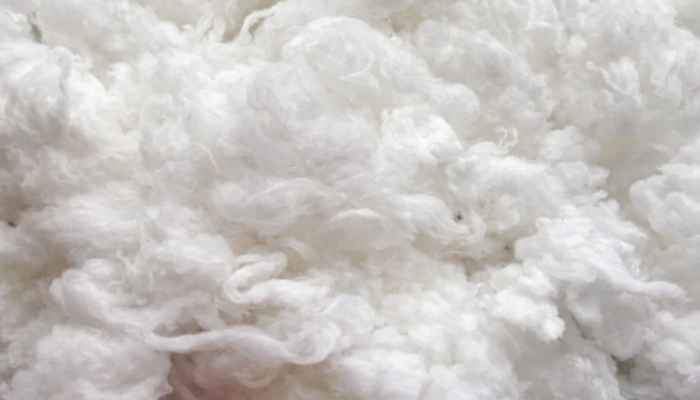
Spinning waste (46%): fibres lost during blow rooms, carding, and comber noils
-
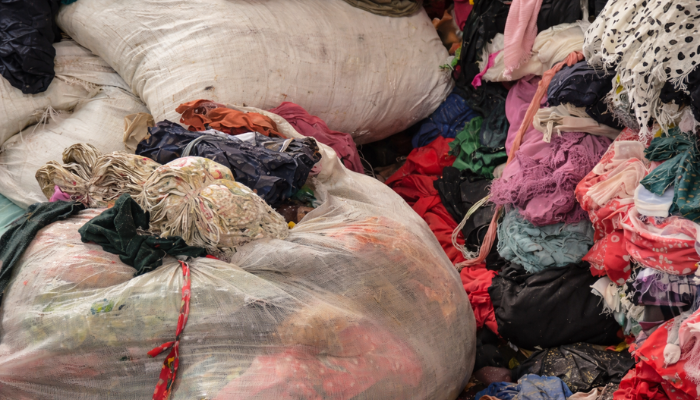
Mill waste (18%): defect rolls, yarn scraps, and cutting remnants
-
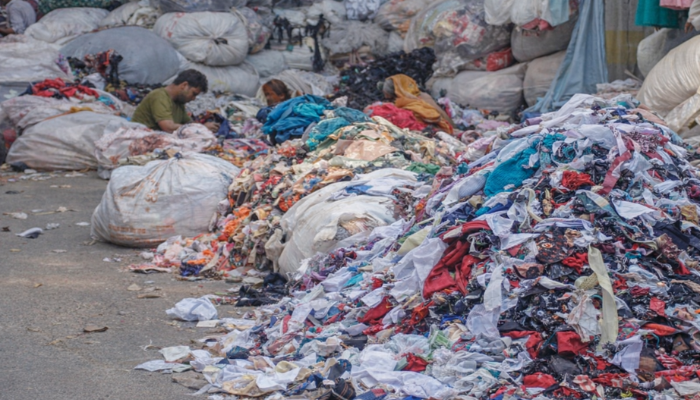
RMG (ready-made garment) waste (24%): katran, chindi, and end rolls
-
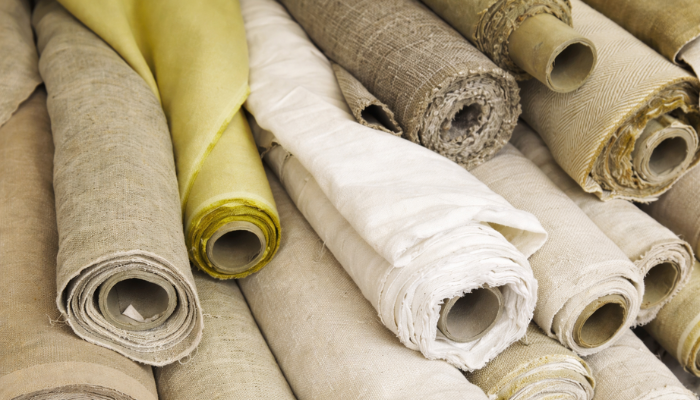
Fabric deadstock (6%): excess or defective fabric left unused
-
Unsold inventory (5%): finished garments remaining in storage
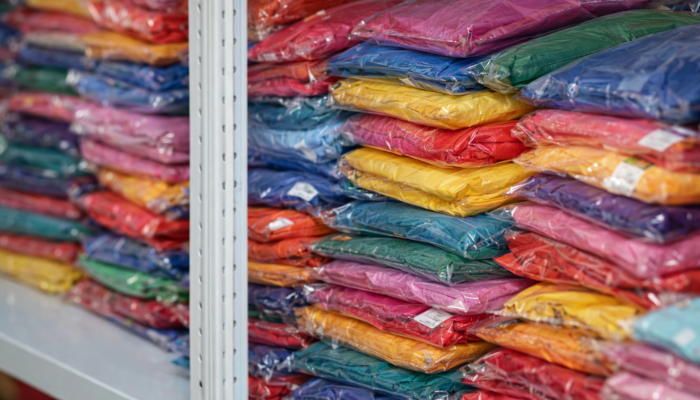
Why Fast Fashion Makes This Worse
In fast fashion, speed and volume dictate everything.
To meet deadlines and maximize profits, factories make over-orders of extra fabrics, cut fabrics imprecisely, choose cheaper, lower-quality fabrics.
With constant fabric sampling, last-minute design edits, and aggressive deadlines, the fashion waste is astronomical.
Nearly 35 % , of these materials in the fashion supply chain end up being waste. As a result, water, energy, labour, and materials are wasted on products that may never be worn.
And because this waste happens upstream, most brands barely track it.
Why Pre-Consumer Waste Matters
Textile production already accounts for around 10% of global carbon emissions and 20% of industrial wastewater.
Pre-consumer waste quietly makes significant contribution to this. When discarded, it’s often landfilled, incinerated, or pushed into informal systems that carry real environmental and social costs.
The irony?
This is one of the easiest waste streams to fix.
Pre-consumer textile waste is comparatively clean, consistent, and predictable, making it ideal for recycling, upcycling, and circular sourcing—but only if brands choose to see it as a resource rather than a loss.
Remember
Pre-consumer textile waste is one of the few sustainability problems the industry can solve immediately because it’s measurable, traceable, and already sitting inside the supply chain.
Ignoring it isn’t a knowledge gap anymore; it’s a decision about what the industry chooses to value.
If you’re a brand, manufacturer, or designer sitting on surplus, scraps, or unsold stock, don’t let it disappear into the system.
Get in touch with us to map your pre-consumer waste, recover its value, and turn it into real circular action.