
The textile and fashion industry spends a lot of time chasing the new.
New fibres.
New finishes.
New claims.
Ironically, the most commercially intelligent move right now is to use what already exists.
As a result, the industry is changing its logic—and quietly shifting toward recycled fabrics.
Across fashion, apparel, home décor, and a growing list of allied industries, recycled fabric is gaining traction because leaders now understand three things: waste is expensive, virgin resources are volatile, and sustainability has become a baseline expectation—not a differentiator.
Why Recycled Fabrics?
Recycled fabric doesn’t ask companies to be saints. It asks them to be efficient.
It takes something the industry already has too much of—waste—and turns it into something it urgently needs: resilient input. In behavioral terms, it lowers the cost of doing the right thing and raises the cost of ignoring it.
That combination changes decisions.
Recycled fibres also build an exit ramp into design. They make circularity less of a moral aspiration and more of a form of risk management. This is why R&D teams are investing in recycled conductive fibres, bio-based polymers, and regeneration technologies that now meet—or exceed—the performance of virgin materials.
The goal is continuity: systems that don’t collapse under their own cleverness.
And notice where recycled fabric is spreading.
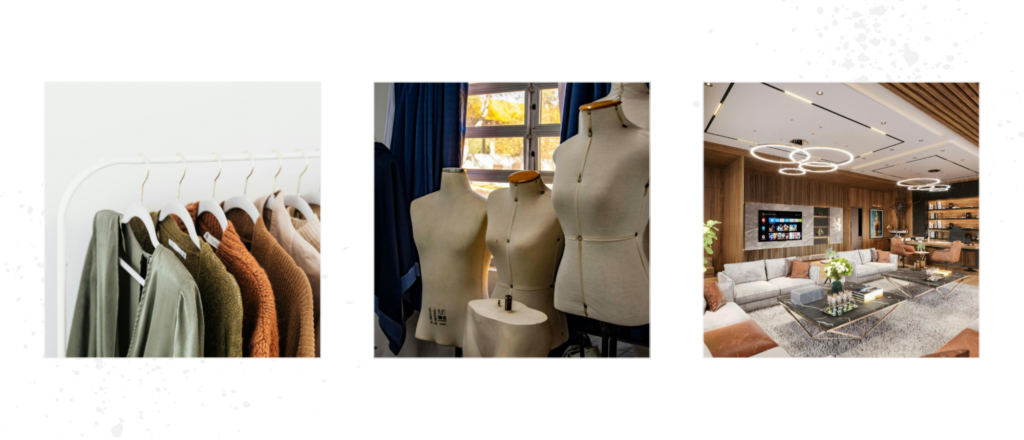
Not just on fashion runways, but in places where performance actually matters—sportswear, healthcare, interiors, bedding, and industrial applications. When a single material can regulate temperature, reduce resource use, and lower environmental impact at the same time, unnecessary complexity starts to look inefficient.
Recycled inputs pair naturally with restraint—and restraint has become attractive to regulators, investors, and procurement teams alike.
As recycling systems mature, costs continue to fall. What once resembled niche virtue signaling is becoming operational common sense.
For brands, the incentives now align. Recycled fabric reduces raw-material volatility, cuts disposal costs, and differentiates quietly. No manifesto required. The material does the work—credibly and repeatedly.
Consumers sense the shift too. Not because they analyze lifecycle data, but because recycled products feel right. They carry a story without demanding attention. They allow people to buy without that faint sense of regret afterward—an understated driver of loyalty.
And performance? That debate is settled. Recycled polyester, cotton, wool, and nylon deliver durability, breathability, comfort, and a premium hand feel. The trade-off is gone. What remains is habit.
And habits don’t change because someone lectures you.
They change when the default improves.
Recycled fabric reduces waste, emissions, water use, and chemical pollution. It strengthens ethical production and stabilizes supply chains built to last. But its real achievement is psychological: it reframes sustainability from sacrifice into advantage.
The future of textiles won’t be won by the loudest innovation.
It will be won by materials that quietly make better sense.
Recycled fabric does exactly that.
And that’s why it’s gaining traction—everywhere.
If recycled fabrics are part of your next move—or should be—contact us to explore viable, scalable options.