
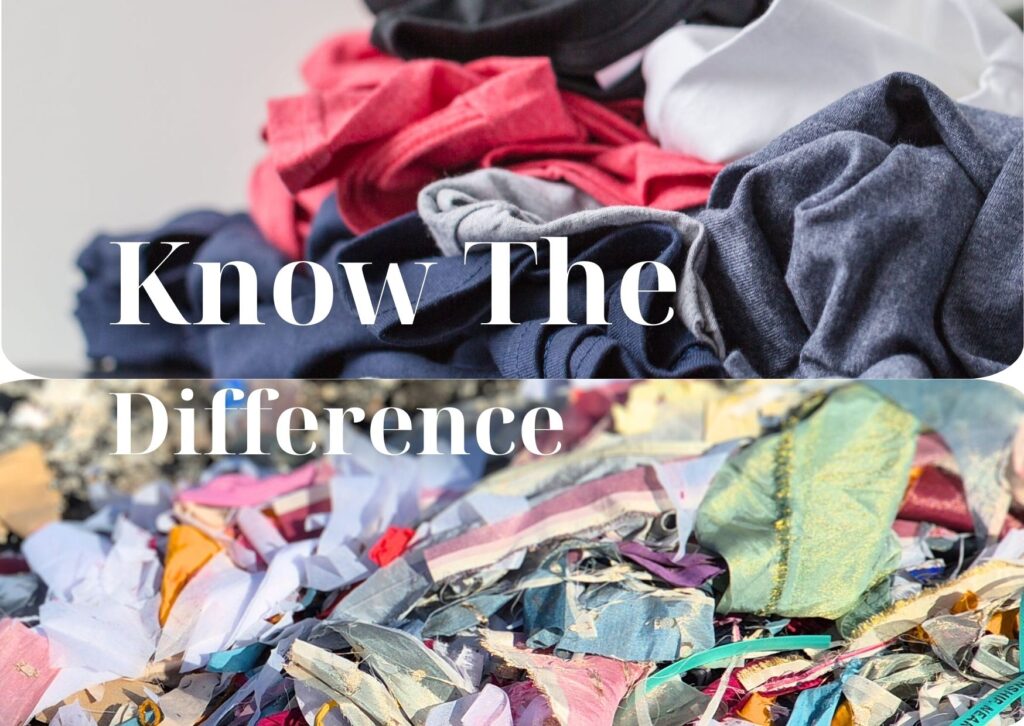
Most textile waste conversations begin at disposal.
Used clothes. Collection bins. Landfills.
But textile waste doesn’t start there.
It starts in production.
If the goal is circular textiles, the intervention point must shift upstream — to where waste is first created, not where it is finally discarded.
Two Waste Streams. Two Different Circular Outcomes.
Textile waste exists in two primary forms:
Pre-consumer textile waste — generated during manufacturing.
Post-consumer textile waste — discarded after use.
Both are recyclable.
But their circular potential depends on fibre condition at recovery.
Understanding this difference is critical for building efficient textile recycling and waste management systems.
What Is Pre-Consumer Textile Waste?
Pre-consumer waste is created before products reach the market.
It includes:
- Cutting room offcuts
- Fabric panel remnants
- Deadstock fabric
- Sampling excess
- Surplus production
- Rejected lots
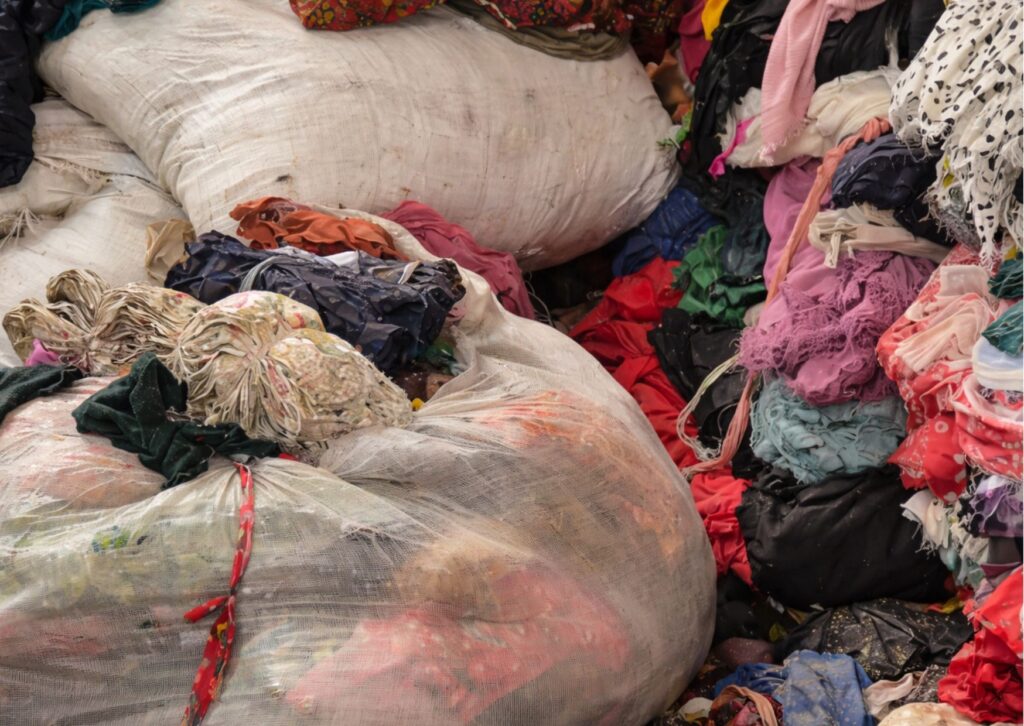
These materials are:
- Unused
- Clean
- Structurally intact
- High in fibre value
In many cases, they are identical to virgin textiles — simply unallocated.
This makes them ideal feedstock for fibre-to-fibre recycling and textile upcycling.
What Is Post-Consumer Textile Waste?
Post-consumer waste is generated after product use post-consumer accounts for 51% of total textile waste.
It includes:
- Worn garments
- Damaged apparel
- Household textiles
- End-of-life fashion products
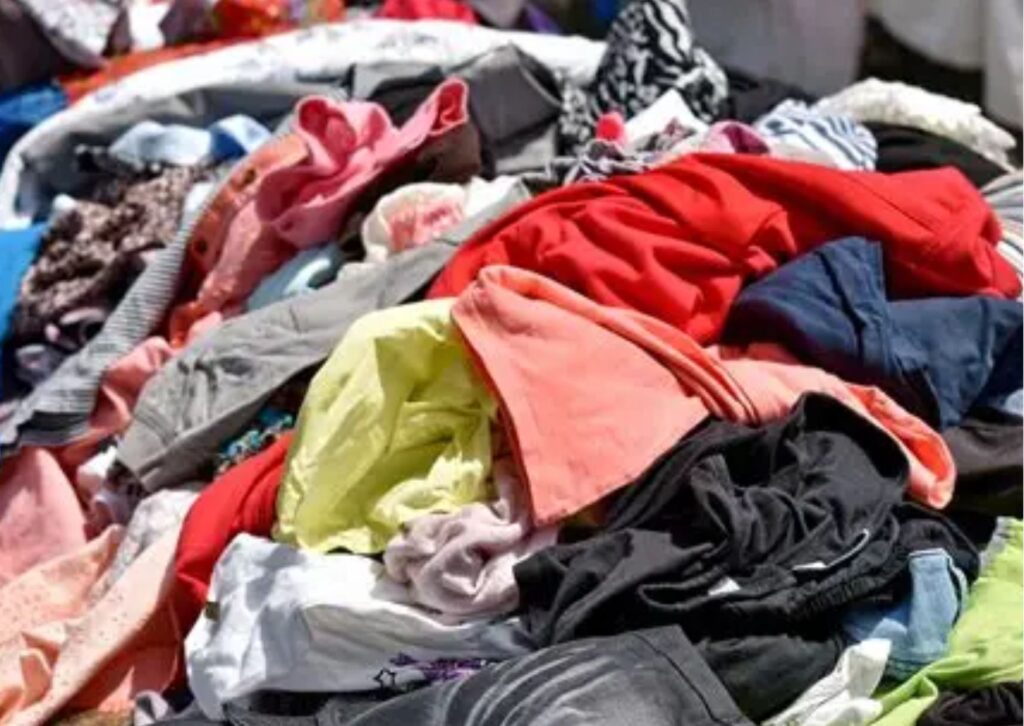
These materials often contain:
- Stains
- Fibre degradation
- Blended compositions
- Trims and elastics
Recycling remains essential — but processing requires deeper sorting, cleaning, and fibre separation.
Why Fibre Integrity Matters
Circularity depends on material quality.
Intercept Early → Preserve Fibre Value
Intercept Late → Reduced Recovery Efficiency
Pre-consumer waste retains:
- Fibre strength
- Color consistency
- Material purity
Post-consumer waste carries contamination and wear, making closed-loop recycling more complex.
Both streams are important — but upstream recovery enables higher circular output.
Where the Biggest Waste Opportunity Lies
A significant share of textile waste is generated during manufacturing due to:
- Pattern inefficiencies
- Overproduction
- MOQ requirements
- Fabric defects
25–40% of fabric is wasted in manufacturing; pre-consumer waste forms up to 42% of total textile waste.
Recovering this waste prevents clean, usable fibre from entering landfills.
Circular Pathways Enabled by Pre-Consumer Recovery
When factory waste is recovered early, it can flow into:
- Fibre-to-fibre recycling
- Yarn regeneration
- Upcycled product manufacturing
- Closed-loop textile sourcing
This strengthens circular supply chains while reducing dependence on virgin fibre.
Process Intervention Point
Production → Cutting Waste → Scrap Collection → Fibre Sorting → Recycling / Upcycling → Supply Chain Re-entry
Maximum circular value is preserved when waste is collected at source.
The Path Forward
Textile waste doesn’t begin in wardrobes. It begins on factory floors.
Post-consumer recycling remains critical. But pre-consumer textile waste offers the fastest, cleanest pathway to scalable circularity.
At Shrredit, we recover textile waste at source and convert it into reusable circular resources through recycling and upcycling systems. Because closing the textile loop starts in production — not disposal.