
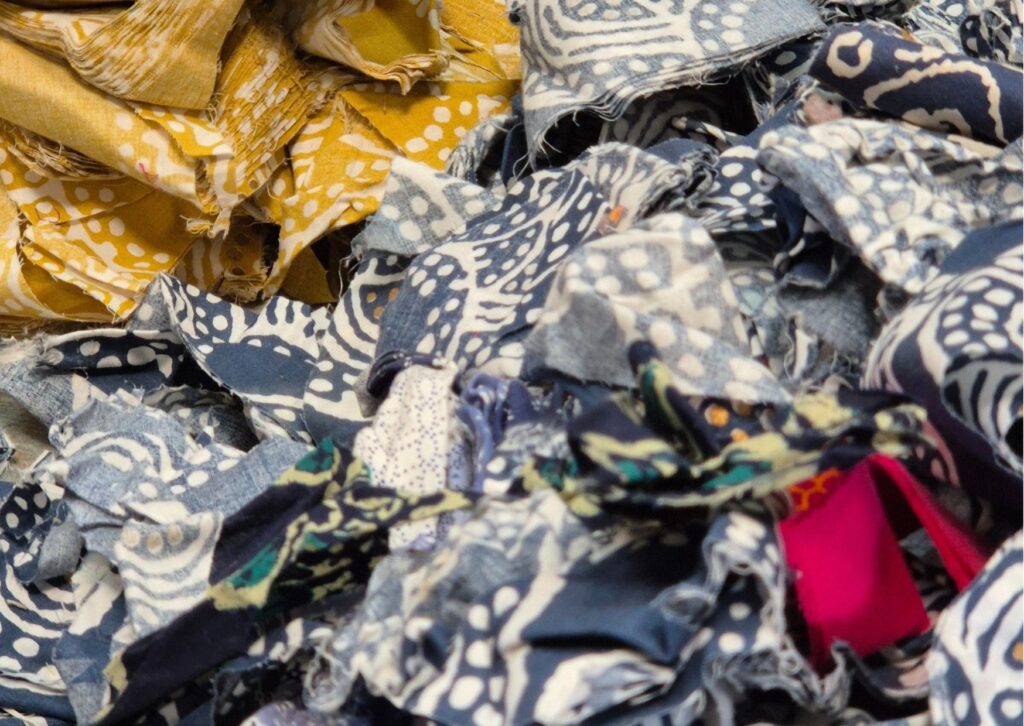
The textile industry creates waste long before a garment reaches the market. During fabric cutting, sampling, and production, large volumes of usable material are left behind as scraps.
These textile scraps are clean, unused, and structurally sound—yet most are discarded.
At Shrredit, we convert this factory surplus into opportunity by supplying textile scraps for upcycling. Our focus is simple: recover pre-consumer textile waste and redirect it into circular fashion and sustainable production.
What Are Textile Scraps?
Textile scraps are leftover fabric pieces generated during garment manufacturing and textile processing.
They typically include:
- Cutting room offcuts
- Panel remnants
- Deadstock fabric
- Sampling leftovers
- Excess production yardage
- Rejected lots with minor defects
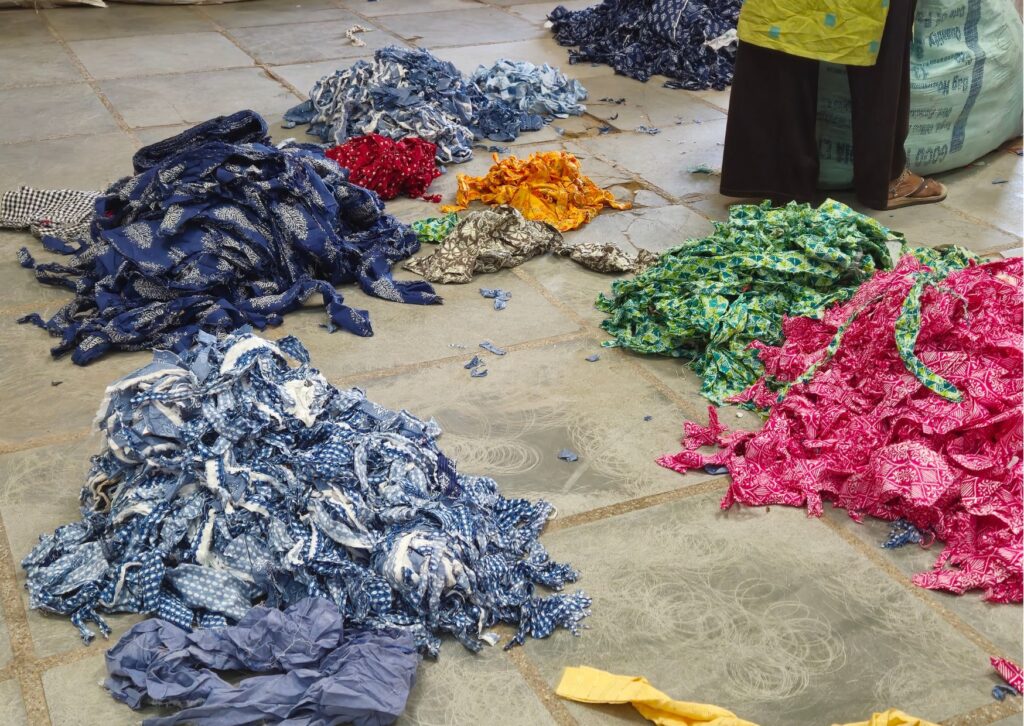
While these pieces may vary in size or shape, the fabric quality remains intact. This makes them ideal upcycling raw materials for new products.
Instead of producing fresh fabric, businesses can reuse these scraps—saving cost and resources.
The Problem with Factory Fabric Waste
Fabric wastage is built into traditional manufacturing. Marker planning, bulk cutting, and overproduction create unavoidable surplus.
When scraps are discarded, the impact goes beyond material loss:
- Water and energy used to make the fabric are wasted
- Landfill load increases
- Incineration creates emissions
- Usable fibers are removed from circulation
Recovering pre-consumer textile waste is one of the most effective ways to reduce the textile industry’s environmental footprint.
How We Turn Scraps into Usable Resources
We follow a structured process to make scrap fabric suitable for upcycling and reuse.
1. Scrap Collection
We source directly from:
- Garment factories
- Textile mills
- Export houses
- Buying offices
- Fabric suppliers
Collecting scraps at the production stage prevents usable material from entering the waste stream.
2. Sorting & Segregation
All collected scraps are sorted based on usability. This ensures scraps remain suitable for upcycling rather than being downgraded to recycling.
Who Uses Textile Scraps for Upcycling?
Demand for scrap fabric sourcing has grown as circular fashion expands by:
Fashion Designers & Sustainable Brands
For patchwork garments and zero-waste collections.
Accessories Manufacturers
For bags, scrunchies, and small goods.
Home Décor Producers
For cushions, quilts, and rugs.
NGOs & Artisan Clusters
For livelihood and craft programs.
Design Institutes
For student training and prototyping.
Supplying textile scraps supports both commercial production and social impact.
What Products Are Made from Upcycled Scraps?
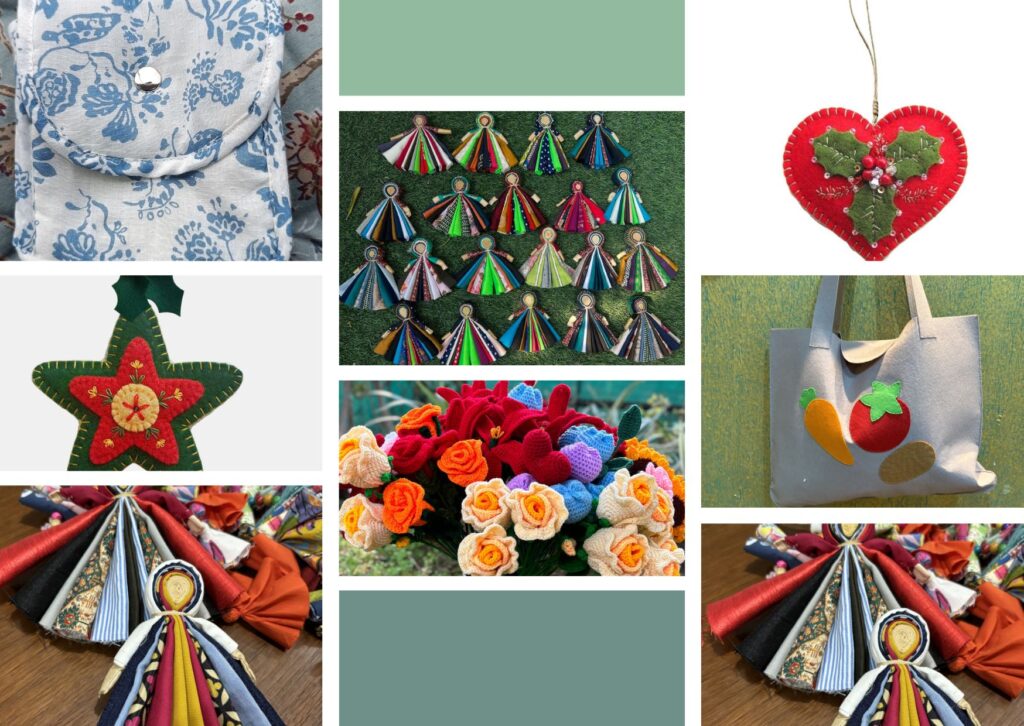
Scrap fabric can be transformed into a wide range of products, including:
- Patchwork jackets
- Tote bags
- Cushion covers
- Quilts & throws
- Rugs & mats
- Kidswear
- Fabric jewelry
- Soft toys
These products retain material value while reducing waste.
Business Benefits of Scrap Fabric Sourcing
Upcycling is not just sustainable—it’s commercially smart.
Key advantages include:
- Lower raw material costs
- Access to unique fabrics
- Small-batch flexibility
- Stronger circular brand positioning
For startups especially, fabric scraps wholesale sourcing reduces production barriers.
Conclusion
Textile scraps are one of the most underutilized resources in the fashion supply chain. With proper recovery and sorting, they become valuable raw materials instead of waste.
At Shrredit, we transform factory surplus into usable resources by supplying textile scraps for upcycling—helping businesses indulge in creativity and make positive environmental impact.